



On Friday, October 30, 2026, 11:30 AM ET, we at StraViso hosted our webinar on Bill Shock Day: What Happens in the 72 Hours After the High Bills Land. Our host, Abhinandan Banerjee (Abhi), was joined by Dharamjeet Taunque (DJ), Enterprise Growth Leader at StraViso. DJ brings more than 25 years of global experience across customer service, business growth, and strategy, and is recognized among the top 50 customer service professionals.
Organizations invest heavily in customer experience, Abhi noted, yet a customer who receives an unexpected bill can still end up moving between channels, repeating information, and waiting. Contact volumes spike, service teams come under pressure, and NPS and CSAT scores drop.
The 72 hours after high bills land, he added, can reveal a great deal about how an organization operates when customer expectations meet operational pressure. If you could not join us, here are five takeaways from this webinar.
1. Bill Shock Is Three Problems Asking the Same Question
DJ defined bill shock as “when the bill is very different from what the customer expected, and nobody told him why before it arrives.” He sorted the causes into three buckets.
First, the customer used more, whether from a cold snap or heat wave or from a data overage while roaming on vacation. Second, the price changed through a new rate, a fuel adjustment, a new fee, or a promotion that rolled off. Third, the bill is wrong because of an incorrect meter reading, a plan change that did not go through, or a credit that was never posted.
In the first two buckets, the bill is correct. In the third, it is not. Yet the customer cannot tell which bucket they are in, and at first, neither can the channels they reach out to. “Bill shock isn’t one problem,” DJ said. “It’s three problems in the same queue asking the same question.”
2. The Front Door Can Explain the Bill but Cannot Fix It
Putting himself in the customer’s shoes, DJ acknowledged that front doors such as IVRs, chatbots, and digital self-service do a great job of explaining why, whether it was a colder month or a promotion that ended.
“But I’m still not happy because why was never really my question,” DJ said. “My question is, what can you do about it?”
The answer might be to spread the amount over a couple of months, waive a late fee, issue a one-time courtesy credit, or move to a better plan. Each option needs three things the front door lacks: a decision on eligibility and policy, an action in a system it may not reach, and someone to follow through and confirm the fix across every system of record.
The front door answers why. The customer needs to know what now, and that, DJ said, “is where the handoff happens, usually without the context to the agent.”
3. Agents Are Boxed In, and the Backlog Grows for 72 Hours
On a bill shock day, agents are “solving thousands of small puzzles one at a time across three or four different screens.”
DJ called the agent “usually the most capable person in this whole chain, but they’re boxed in.” Agents start cold, so an already agitated customer must explain everything again. Many answers sit in decades-old mainframes and green screens, which some agents cannot access. Credits have limits, assistance programs have eligibility rules, and retention offers need approvals.
With more callers waiting, agents open tickets and promise a response in 24 to 48 hours. By late afternoon, the queue looks clear, “but most of these cases are not closed; they are just parked as open tickets.” The next day, those customers call back, joined by others who just opened their bills, and the backlog multiplies over the first 72 hours.
“It’s not like the agents lack the effort,” DJ said. “They’re not able to resolve across systems that were never built to talk to each other.”
4. The Surprise Is Permanent, but the Chaos Is Not
Will bill shock keep happening? DJ was candid: “Honestly, yes, and it’s going to get harder.” Bills are getting more complex with smart meters, rooftop solar, EVs, bundled telecom services, new regulations, quarterly promotions, and billing system migrations. “What can go away is madness after the surprise,” he said. “The surprise or the shock, as we call it, is permanent.”
DJ outlined three shifts. The first is to be proactive, reaching customers with reasons and options before an unusual bill arrives. The second is to “finish the case, not the call,” so every concern is tracked until it is confirmed. The third is to let the work happen across the systems you already have.
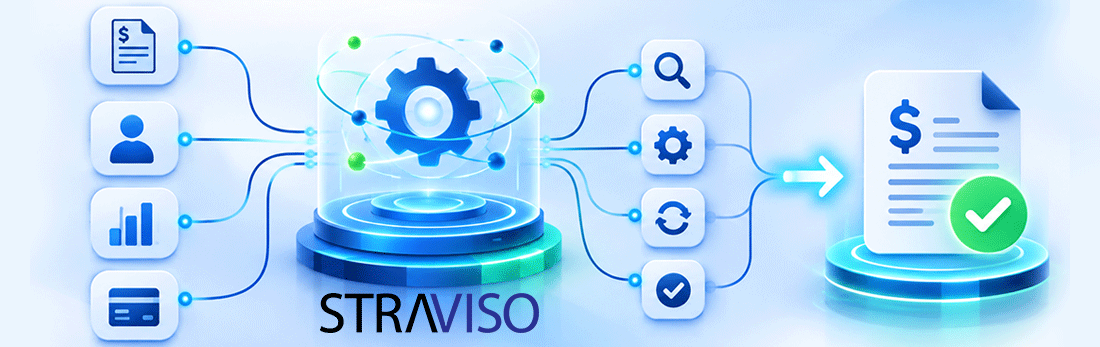
StraViso has spent almost a decade building its Contact Center product, an orchestration platform, around these shifts. The product will reach out to the customer immediately after the bill runs and explain why it went up and presents some approved options to address it. If a customer still calls, the front door can contain the call by completing every step in real time. If they reach an agent, the full context comes with them. Then the product asks who else was affected, fixes those accounts, and tells those customers before they notice. As DJ put it, “one customer called, everybody else got a fix and a head up instead of a reason to call.”
5. You Can Start Without Replacing Your Systems
Abhi asked whether teams must first fix their data, redesign processes, or replace systems. “The short answer is no, no, and no,” was DJ’s crisp reply to Abhi’s query. The StraViso product works with data where it already lives. “Your best agents already know how to resolve these cases,” so it runs those steps, policies, and approval rules the same way every time.
Nothing is replaced, either. Most AI agents act through APIs, which 20-year-old billing systems and green screens lack. StraViso connects with every enterprise system and handles what comes after the conversation: the decision, action, approval, and follow-through. It also coordinates existing RPA and AI bots, easing the clutter DJ called “orchestration debt.”
Deployment takes four to six weeks, starting with specific bill shock scenarios and a pilot measured against your own baseline. The platform is SOC 2 Type 2 compliant, and StraViso is happy to tie its fees to results. Client results are confidential, but DJ noted that “the only results that matter in this conversation are the ones that you measure yourself.”
The Bill Is Only the Starting Point
A registrant asked via email if StraViso’s solution eliminates agents. “It’s actually the opposite,” DJ said. Agents get back the time spent on yesterday’s problems and can focus on proactive care, retention, and revenue. For a large operator, he noted, churn and bad debt can run into hundreds of millions of dollars a year, far more than the cost of the agents who can prevent them.
Abhi closed with a simple thought: the bill itself is just the starting point. The bigger question is whether an organization can bring the right information, people, and actions together to resolve the issue.
If you have questions, leave a comment on LinkedIn or write to us at info@straviso.com